
August 7, 2026
Gun Talk Staff
Let’s start where this always has to start: what ATF directors say and what the law says are two different things. A director’s statement about enforcement priorities is not a regulation. It is not a statute. It does not change the underlying law. And it is specific to the tenure of that director, which ends when he leaves office.
With that said: what ATF Director Robert Cekada said this week matters. It matters because the Form 1 / solvent trap question has been a genuine source of confusion and anxiety in the suppressor community since the NFA tax dropped to $0 in January 2026 and the suppressor market started booming. And it matters because Cekada gave a specific, direct answer to a specific, legitimate question about what the ATF is and isn’t trying to police — and that answer is something gun owners who are navigating the suppressor-building space deserve to understand clearly.
Here’s the situation, the statement, and what it actually means for you.
A solvent trap is a firearm cleaning device that attaches to the muzzle of a rifle or pistol and collects the solvent and debris that runs out of the barrel during cleaning. They’re legal, commercially sold, and widely used by gun owners who don’t want cleaning solvent all over their bench. They look, superficially, like the outer body of a suppressor — because they’re cylindrical and attach to a threaded muzzle.
The problem emerged when solvent trap kits started being marketed — primarily through overseas suppliers — as “cleaning kits” while being designed and sold with an obvious wink in the direction of suppressor conversion. The giveaway is exactly what Cekada described: they arrive with internal components that include a section labeled “drill here.” At that point, the device is not a cleaning tool with an unintended secondary use. It’s a suppressor component that’s been given a legal figleaf.
Under the National Firearms Act, a suppressor is a suppressor whether or not it has the hole drilled. A device that is “intended only for use” as a silencer is regulated as one. The ATF has historically taken the position that a solvent trap kit sold with instructions pointing toward suppressor conversion is a suppressor under the NFA, and that drilling the hole without filing a Form 4 (transfer) or Form 1 (make) is manufacturing an unregistered suppressor — a federal felony.
Here’s where it gets interesting and where Cekada’s statement is most directly useful to someone navigating this space.
If you want to legally convert a solvent trap into a suppressor — or more broadly, if you want to manufacture your own suppressor — the legal path is to file a Form 1 with the ATF before you do anything. The Form 1 is the “application to make” form under the NFA. With the $200 tax stamp eliminated as of January 1, 2026, filing a Form 1 now costs you nothing beyond the paperwork. You submit it, you wait for approval, you receive your approved Form 1, and then — and only then — you manufacture the item. Do it in that order and you are fully compliant with federal law.
The concern that has been circulating in the suppressor community is whether the ATF might try to prosecute people who filed Form 1s for solvent-trap-based suppressors even when they went through the proper legal process. The logic of that concern is: if the ATF views the underlying solvent trap as “intended for suppressor use,” could they argue that purchasing it was itself illegal regardless of the Form 1?
Cekada’s answer is the direct response to that concern: no. Comply with the Form 1 process — file before you drill, wait for approval, do it in the right order — and you will not be charged under his leadership. That is not a legal opinion. It is an enforcement priority statement. But it is a meaningful one from the person who runs the agency.
Cekada’s Form 1 statement is part of a broader pattern of communication from the current ATF leadership that is worth understanding in context. Since his confirmation on April 29, 2026, Cekada has been vocal about a specific enforcement philosophy: the ATF’s job is to catch bad actors, not to trap law-abiding gun owners in technical regulatory violations.
The 34-rule reform package he signed on his first day in office reflected that philosophy in concrete terms — rescinding the pistol brace rule, eliminating the NFA tax, proposing fingerprint simplification, and working through a broader regulatory modernization agenda. The Form 1 statement fits the same pattern: we are not trying to catch people who are trying to comply with the law. We are trying to stop people who are importing illegal suppressors and calling them cleaning kits.
Cekada was explicit about where the agency’s enforcement attention is focused: overseas-manufactured solvent trap kits that are designed as suppressors, imported illegally, and sold domestically through channels that use the “cleaning device” label as cover. These devices enter the country without NFA registration, without a Form 4 transfer, and without any of the legal process that distinguishes a lawfully possessed suppressor from a contraband one.
This is a genuine and significant problem. Unregistered suppressors that were manufactured overseas and imported without registration are not just a regulatory violation. They bypass the background check process entirely. The ATF’s interest in stopping that pipeline is legitimate and distinct from any interest in prosecuting someone who filed a Form 1 and waited for approval.
The Form 1 filer who goes through the legal process in the right order. The shooter who submits paperwork, waits for approval, and then manufactures a suppressor after receiving the green light from ATF. That person is doing exactly what the law allows, and Cekada said clearly that they will not be charged under his watch.
This is also consistent with the broader ATF reform agenda: the agency is trying to make legal suppressor ownership easier (the proposed fingerprint simplification rule from July), not harder. Prosecuting Form 1 compliance would directly contradict that agenda.
This is where we say the thing that always has to be said in any article about enforcement priority statements from federal agency directors: Cekada won’t be ATF Director forever.
Enforcement priorities are set by directors and administrations. They change when directors and administrations change. What is true of ATF’s enforcement posture today under Cekada may not be true of ATF’s enforcement posture under a future director with a different philosophy. The Form 1 process is protected by the law. Cekada’s statement that he won’t prosecute Form 1 compliance is a policy choice, not a statutory protection.
The practical implication: if you are going to manufacture a suppressor on a Form 1, do it right. File the paperwork. Wait for approval. Keep the approved Form 1 with the suppressor. Follow every procedural requirement. The law protects you when you do that correctly. Cekada’s statement provides additional reassurance right now. But the procedural compliance is what provides durable legal protection regardless of who runs the ATF.
Equally important: solvent traps from overseas that arrive pre-designed for suppressor conversion and don’t have the hole drilled yet are a legally ambiguous product regardless of Cekada’s statement. The director said they are trying to dissuade people from registering those devices. If you are buying solvent trap kits from overseas suppliers with drill-here markings, you are buying a product the ATF considers problematic regardless of whether you subsequently file a Form 1. The path Cekada explicitly supported is the Form 1 for homebuilt suppressors using legitimate components — not the registration of smuggled suppressor components.
This week’s statement from Cekada is the latest in a series of signals from ATF leadership that 2026 is genuinely different for NFA items. We’ve covered the full arc this summer:
The through-line across all of these is a federal agency that has, in 2026, genuinely shifted from treating suppressors as presumptively problematic to treating legal suppressor ownership as a right to be facilitated rather than impeded. That is a meaningful change from where the ATF was two years ago, and gun owners navigating the suppressor space should understand the current environment clearly.
ATF Director Cekada’s statement that no one will be charged for complying with a Form 1 under his leadership is genuinely good news for the suppressor community, particularly for builders who have been nervous about the solvent trap question. It’s a direct, unambiguous enforcement priority statement from the person who sets those priorities.
What it is not: a change to the underlying law, a regulation, or a protection that survives a change in ATF leadership. The law always applies. The procedural requirements of Form 1 compliance always apply. What Cekada added is the assurance that those who follow the process correctly have nothing to fear from the current ATF.
For anyone in the suppressor-building community who has been watching the 2026 NFA landscape evolve: this is the clearest statement yet from the director of the agency that legal compliance is legal compliance and the ATF isn’t in the business of trapping people who are trying to do things right.
We’ll continue tracking the ATF reform agenda, the Form 1 approval timeline, and the broader NFA simplification proposal as those developments continue. For the current status of the suppressor market and wait times, see our Suppressor Market Boom 2026 piece from July 13.
This article is not legal advice. Verify current ATF guidance before acting.

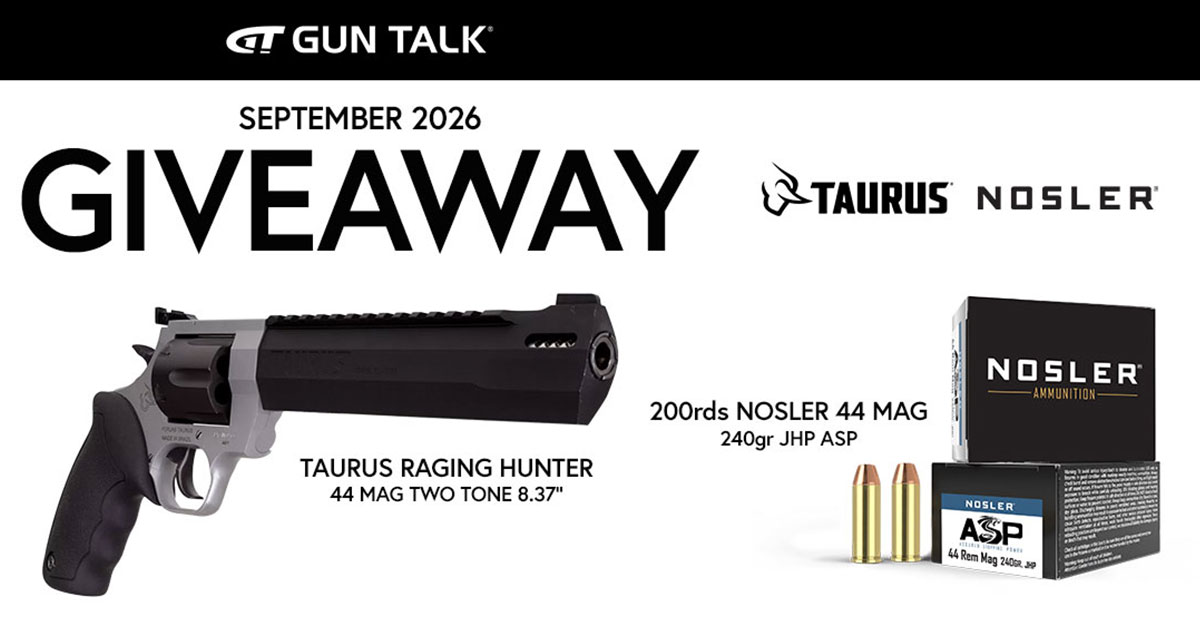
Gun Talk Giveaway
One lucky winner will bring home:
Open to U.S. residents 21+ only. Void where prohibited.

