May 9, 2026
Deciding to carry a concealed firearm is one of the most serious decisions you'll make. It comes with legal responsibility, moral weight, and a commitment to training and preparation that never ends. But it's also one of the most empowering decisions you can make for yourself and your family. You are taking personal responsibility for your own safety in a world where seconds matter and help is minutes away.
This guide covers everything a new concealed carrier needs to know — from the legal basics to gear selection to the mindset shifts that come with carrying a firearm every day.
Concealed carry laws vary by state. Before you carry, you need to understand the legal framework where you live and where you travel.
Constitutional carry states: As of 2026, the majority of U.S. states allow permitless concealed carry for legal gun owners, (29 states precisely, at the time of this writing). This means you can carry a concealed handgun without a state-issued permit. However, even in constitutional carry states, we strongly recommend getting your permit anyway. A permit gives you reciprocity in other states, demonstrates training to law enforcement during interactions, and may provide legal advantages in the event of a defensive incident.
Permit-required states: Some states still require a concealed carry permit or license. The application process typically involves a background check, a training course (classroom and live fire), and a fee. Processing times vary from same-day to several months depending on your state.
Reciprocity: Your home state's permit may or may not be honored in other states. Before you travel armed, check the reciprocity agreements between your home state and your destination. The USCCA and Handgunlaw.us maintain updated reciprocity maps. Never assume your permit is valid in another state without verifying.
Federal properties and restricted locations: Regardless of your permit or state law, carrying is prohibited in federal buildings, post offices, courthouses, and other restricted locations. Most states also prohibit carry in schools, government buildings, and establishments that post specific signage. Know your state's restricted locations list.
Your carry gun is the most personal piece of gear you'll own. What works for your friend, your instructor, or the guy on the internet may not work for you. Here's how to narrow the field.
Size matters most. The gun you carry every day needs to disappear on your body. For most people, that means a micro-compact or compact 9mm pistol. Full-size guns are harder to conceal and heavier to carry all day. Start small and size up if you find you can handle more gun comfortably.
9mm is the standard. Modern 9mm defensive ammunition is effective, controllable, and affordable to practice with. Higher capacity in a smaller package is the 9mm's defining advantage. Unless you have a specific reason to choose another caliber, start with 9mm.
Shoot before you buy. Rent several options at your local range. A gun that feels perfect in your hand at the counter may feel terrible on the range. Trigger pull, recoil impulse, sight picture, and ergonomics all matter — and you won't know until you shoot it.
Reliability is non-negotiable. Your carry gun must fire every time you pull the trigger. Buy from a reputable manufacturer with a proven track record. Once you've chosen your gun, put at least 200 rounds through it — including your chosen defensive ammunition — before you trust it to protect your life. Any malfunctions during break-in should be addressed before you carry.
For our specific recommendations, read our Best 9mm Pistols for Concealed Carry guide.
A bad holster will make you stop carrying. A dangerous holster could get you killed. This is not the place to save $30.
Kydex is the standard for IWB carry. A properly molded Kydex holster provides consistent retention, full trigger guard coverage, and a repeatable draw stroke. Leather holsters look great but can soften over time, potentially collapsing into the trigger guard during reholstering. Hybrid holsters (Kydex shell with leather or neoprene backing) offer a comfort compromise.
Full trigger guard coverage is mandatory. The holster must completely enclose the trigger guard so nothing — fabric, drawstrings, fingers — can contact the trigger while the gun is holstered. This is the single most important safety feature of any holster.
Retention should be audible. When you holster the gun, you should hear and feel a distinct click. The gun should not fall out if you turn the holster upside down, but it should draw smoothly with a deliberate pull.
Adjustability matters. Look for holsters with adjustable ride height, cant angle, and retention tension. These adjustments let you fine-tune the holster position for your body type, clothing, and carry preference.
Spend $60-120. Quality holsters from Vedder, Crossbreed, T.Rex Arms, Tier 1 Concealed, Black Arch, and similar makers cost more than the $20 nylon universal holster at the gun show, but they're dramatically safer, more comfortable, and more concealable. For specific recommendations, check out our 5 appendix carry holsters that work.
This is the tip that transforms your carry experience. A purpose-built gun belt — not a department store dress belt — distributes the weight of your holster and firearm properly, prevents the gun from sagging or shifting, and keeps everything locked in position all day.
Without a proper belt, even the best holster will sag, cant, and shift throughout the day. You'll spend the whole time adjusting and fidgeting, which defeats the purpose of concealed carry.
Rigid nylon/polymer belts: Kore Essentials (ratchet system), Blue Alpha Gear, and Nexbelt are the most popular. The ratchet systems allow micro-adjustments in 1/4-inch increments — tighten after a meal, loosen when you sit down.
Leather reinforced belts: Hanks Belts and Crossbreed make steel-core leather belts that look like normal dress belts but provide the rigidity needed for gun carry. These are the best option when your wardrobe demands a professional look.
Budget $40-70 for a quality gun belt. It's the single best comfort upgrade you can make.
Carrying concealed means adjusting your wardrobe — at least slightly. Here's what works:
Untucked shirts are your friend. A shirt that falls past your beltline and has some structure to the fabric will conceal most compact pistols without any visible printing. Avoid skin-tight shirts and thin fabrics that cling to the outline of the gun.
Size up one in pants. Going up one waist size in your pants accommodates the holster without creating the belt-line bulge that screams "I'm carrying." This one change solves most printing problems.
Patterns over solids. Patterned shirts (plaid, Hawaiian, chambray with texture) break up the outline of a holstered gun better than solid-color shirts. This is especially helpful in warmer months when you're wearing lighter fabrics.
Layering is king. In cooler weather, an open flannel, light jacket, or vest over a T-shirt gives you maximum concealment with easy access. Summer carry is harder — but a quality holster with a claw/wing, a mid-weight T-shirt, and the right pants will get it done.
Dark colors help. Shadows conceal printing. A dark-colored shirt over a dark holster and dark gun is the easiest combination to hide.
Here's the uncomfortable truth: a gun that's at home in the safe when you need it is useless. The entire point of concealed carry is having the gun on you when the unexpected happens — and the unexpected doesn't schedule itself around the days you feel like carrying.
Consistency builds competence. When you carry every day, drawing from your holster becomes instinctive. Your body learns where the gun sits, how to clear your garment, and how to present the weapon without conscious thought. Carrying occasionally means you're starting from scratch every time.
Comfort drives consistency. If your setup is uncomfortable, you'll find excuses not to carry. That's why the gun, holster, belt, and wardrobe all matter — they form a system. If one piece fails, the whole system falls apart and the gun stays home.
Start at home. Before you carry in public, wear your full setup around the house for a few days. You'll figure out what digs, what shifts, and what works while you're in a low-pressure environment. Adjust your setup until you genuinely forget the gun is there.
Your concealed carry permit class is the minimum — not the finish line. The classroom and live fire requirements in most states are designed to verify basic safety, not to prepare you for a defensive encounter. Ongoing training is your responsibility.
Dry fire practice: 10 minutes of dry fire practice at home (with a verified unloaded gun, pointed in a safe direction) is worth more than an hour at the range. Practice your draw stroke, presentation, sight picture, and trigger press. Do this 3-5 times per week and you'll see dramatic improvement in your speed and consistency.
Live fire fundamentals: Get to the range at least once a month with your carry gun and carry ammunition. Practice at realistic defensive distances (3-7 yards). Work on accuracy under time pressure, not slow-fire bullseye shooting. Draw from the holster if your range allows it.
Formal training: Take at least one defensive pistol course per year beyond your initial permit class. Look for courses that include drawing from concealment, shooting on the move, and decision-making under stress. Instructors like those at Gunsite, Thunder Ranch, Sig Sauer Academy, and your local qualified defensive firearms instructors offer courses at every skill level.
Scenario-based thinking: Think through defensive scenarios in everyday locations. Where are the exits in this restaurant? What would I do if someone came through that door? Where is my family relative to the threat? This mental preparation — often called "war gaming" — is free, takes no ammunition, and is one of the most valuable things you can do.
Carrying a gun means accepting that you might have to use it — and understanding the consequences if you do.
Lethal force is the last resort. Your gun is for situations where you or someone else faces an imminent threat of death or serious bodily harm. It is not for property protection, road rage, arguments, or situations where you can safely retreat. Every state has specific laws governing the use of lethal force — know yours thoroughly.
Avoidance is the best strategy. The best gunfight is the one that never happens. Carrying a gun should make you more polite, more patient, more willing to walk away, and more aware of your surroundings. If carrying makes you feel more aggressive or more willing to confront, something has gone wrong in your mindset.
Legal protection is worth considering. Organizations like USCCA, CCW Safe, and Armed Citizens Legal Defense Network offer legal protection plans that cover attorney fees, bail, and legal costs in the aftermath of a defensive shooting. These plans aren't cheap, but neither is a murder defense attorney. Research the options and consider whether legal protection is right for your situation.
Talk to your family. If you live with a spouse, partner, or children, they need to know you carry, where the gun is stored when you're not carrying, and the basic safety rules. If children are in the home, secure storage is non-negotiable. A quick-access safe (Fort Knox, Simplex, or biometric) by the bedside gives you fast access while keeping the gun away from unauthorized hands.
Avoid these and you'll be ahead of 90% of new carriers:
Buying the wrong gun first. Don't buy based on what looks cool or what the sales clerk recommends. Rent, shoot, and decide for yourself.
Cheap holster. A $15 nylon universal holster is uncomfortable, unsafe, and will make you stop carrying within a month. Invest in quality.
No gun belt. Your department store belt isn't designed to support 2+ lbs of gun and holster. Get a purpose-built belt.
Not training beyond the permit class. The permit class teaches you how to not accidentally shoot yourself. It does not teach you how to fight with a gun.
Carrying without a round in the chamber. Under stress, you will not have time or fine motor control to rack the slide. Carry chambered or don't carry.
Constantly adjusting and touching the gun. If you're adjusting in public, you're broadcasting that you're armed. Fix your setup at home. If it needs constant adjustment, change your gear.
Telling everyone you carry. Concealed means concealed — including from your social media followers. The tactical advantage of concealed carry disappears when everyone knows about it.
Not knowing the laws. Ignorance is not a defense. Know where you can and can't carry, understand use-of-force laws, and stay current as laws change.
Neglecting maintenance. Your carry gun accumulates lint, sweat, and debris daily. Inspect and clean it regularly. A gun that fails because of neglect is your fault, not the gun's.
Skipping the mental preparation. If you haven't thought through what you'd do in a defensive scenario, you'll freeze when it happens. Mental rehearsal is free. Do it.
What is the best concealed carry gun for beginners?
The SIG P365 or P365XL is the most commonly recommended first carry gun — excellent capacity-to-size ratio, manageable recoil, and a massive aftermarket for holsters and accessories. The Smith & Wesson Shield Plus is the best budget option. Read our full concealed carry pistol recommendations for a complete breakdown.
Do I need a concealed carry permit?
In constitutional carry states, legally — no. Practically — might not be a bad idea. A permit provides reciprocity in other states, demonstrates training, and can help your legal position in the aftermath of a defensive encounter.
What caliber is best for concealed carry?
9mm. Modern defensive 9mm ammunition meets FBI penetration and expansion standards, is controllable in small pistols, is affordable to practice with, and allows higher capacity than larger calibers. For more on the caliber debate, read our 7 reasons the 10mm is the best pistol caliber for the counterargument.
Appendix carry or strong-side carry?
Both work. Appendix carry (AIWB) is faster to draw, easier to conceal under a T-shirt, and provides better weapon retention. Strong-side carry (3-4 o'clock) is more comfortable for extended sitting, works better with tucked shirts, and feels more natural for many shooters. Try both and see what works for your body. For holster recommendations, check out our appendix carry holsters guide.
Should I carry with a round in the chamber?
Yes. In a defensive encounter, you will likely have only one hand available (the other may be shielding a family member, opening a door, or fending off an attacker), and you will not have the fine motor skills to rack the slide under extreme stress. If your gun is in good working order and your holster fully covers the trigger guard, carrying with a round chambered is safe and standard practice for trained carriers worldwide.
How often should I practice with my carry gun?
At minimum, once a month at the range with live fire, plus dry fire practice at home 3-5 times per week. Dry fire is where the real improvement happens — it costs nothing and builds the draw stroke, presentation, and trigger press that matter most in a defensive encounter.
What should I do after a defensive shooting?
Call 911 immediately. State that you were attacked, you feared for your life, and you defended yourself. Provide your location and request police and medical assistance. Do not provide a detailed statement at the scene beyond the basics — tell responding officers you want to cooperate fully but need to speak with an attorney first. This is where a legal protection plan from USCCA, CCW Safe, or similar organizations proves its value.
For more on carrying concealed, check out our best concealed carry handguns for women and our Taurus 856 Ultra Lite review for a revolver carry option.


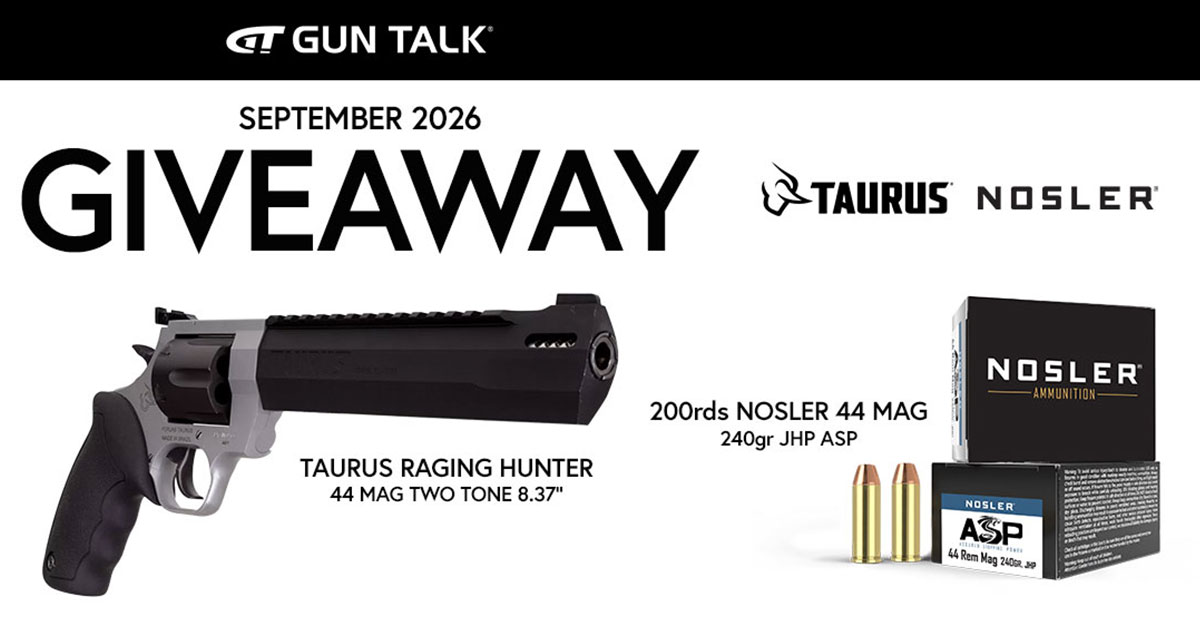
Gun Talk Giveaway
One lucky winner will bring home:
Open to U.S. residents 21+ only. Void where prohibited.